
- Podcasts
 Podcasts
 - Videos
 Videos
 - Policy Issues
 Policy Issues
 - About
 About
About


#1 Senate Majority Leader: We’re Waiting on Supreme Court for State Budget
Earlier this year Ben Yount wrote a story about a significant and ongoing problem with the biennial budget process. Governor Evers's 400-year school funding veto employed the Frankenstein method–vetoing individual words and characters to change legislative intent. Senate leadership was, at the time, waiting for a decision from the state Supreme Court on the constitutionality of this practice before proceeding with the budget-writing process.
In the end, the Court upheld the Frankenstein practice, but legislators have since introduced a bill to repeal the veto.

#2 Two Maps Show Wisconsin's Leftward Slide
Wisconsin has long been known as a swing state–sometimes red, sometimes blue. But this article by Senior Fellow Bill Osmulski tells a different story:
President Trump won the state in both 2016 and 2024, but in the most recent election, the majority of counties experienced a significant leftward shift among voters–eating into those Republican margins.
Most surprisingly of all, Trump lost the most support in Ozaukee and Waukesha Counties, part of the so-called “WOW” counties that have long been considered Republican strongholds. The observation helps explain, in part, why Republicans lost seats in the legislature, and why the Republican candidate for U.S. Senate, Eric Hovde, lost to incumbent Tammy Baldwin.
The map also tells a story about where the state is headed, and reinforces MacIver's mission to educate Wisconsinites on the merits of free markets and limited government, and the dangers of socialism.

#3 Wisconsin’s Own USAID Scandal
When DOGE was still DOGE-ing, the think tank found billions of dollars' worth of waste, fraud and abuse.
As long-time contributor Dan O'Donnell wrote, USAID became the posterchild for governmental waste and abuse, and subsequently the most important institution ever to those on the left.
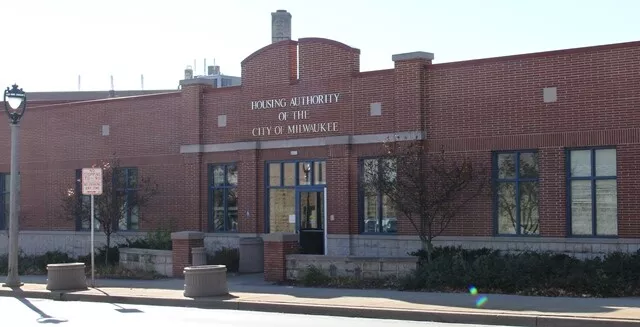
Here in Wisconsin, Dan found that the Housing Authority of Milwaukee used nearly $3 million of Section 8 funds to pay its employees, while also being on the verge of bankruptcy.
The story reminds us of the importance of federalism and of keeping the Federal government's role confined to its proper sphere, while also demanding that Wisconsinites insist on transparency and responsible governance from their elected and un-elected agents.
#4 Trump Moves to Squash the Real Deep State: Meet the SES
Richard Moore, crusher of regimes and obliterator of bureaucratic tyranny writes:
"President Trump has initiated massive changes to the federal bureaucracy, focusing on reducing its size and scope, particularly targeting the Senior Executive Service (SES), the real seat of power in the federal Deep State."
In one of his many articles addressing the Deep State and how to destroy it, Richard reveals how the SES––the middle-men between the President and the Bureaucracy––really run the show. As Richard explains, they led the resistance to Trump during his first term...but now Trump is going after them.

#5 MacIver's Verdict on the 2025-27 State Budget
In our most important story of the year, Bill Osmulski Analyzed in great detail the 2025 state budget and reported:
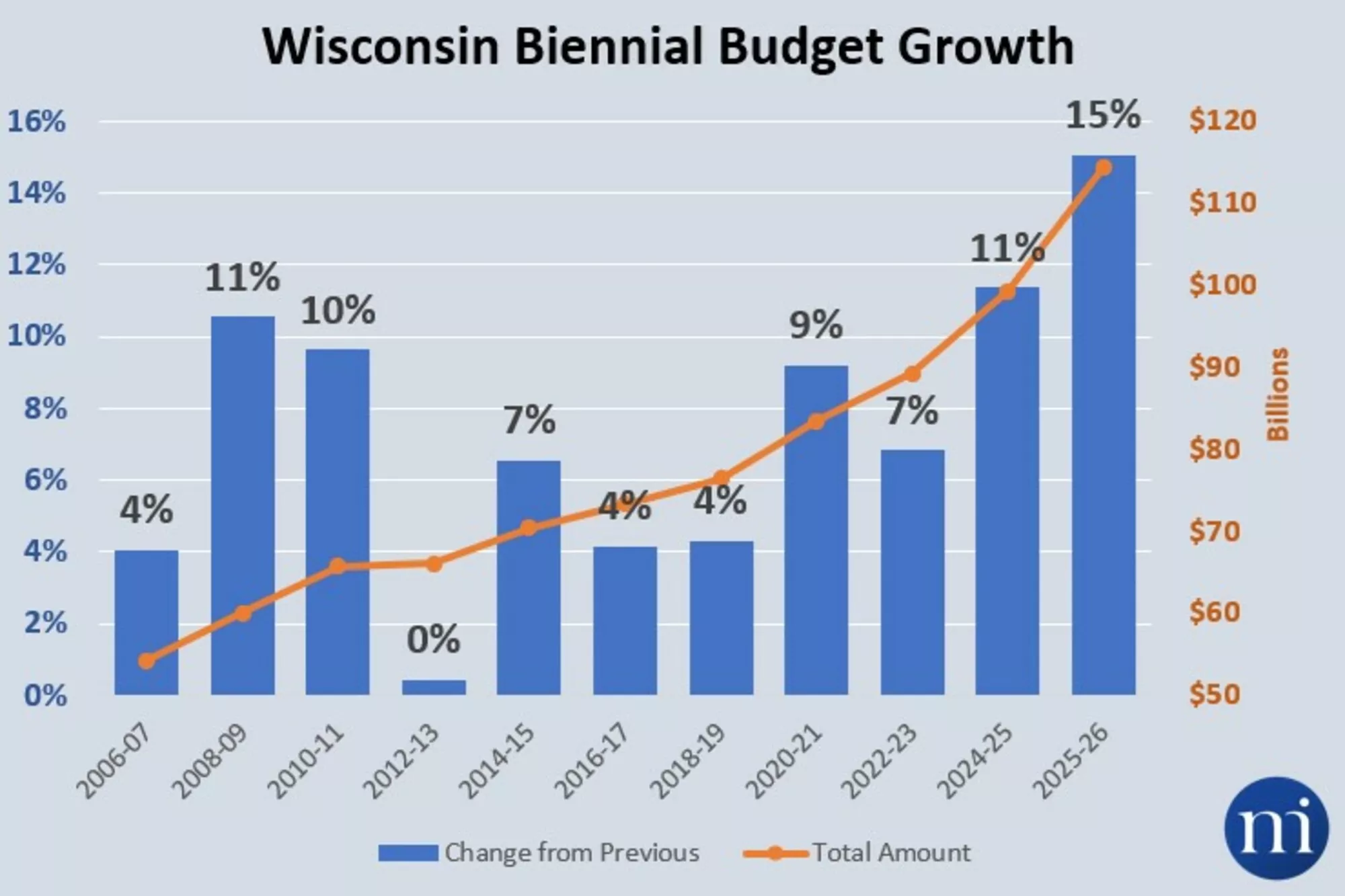
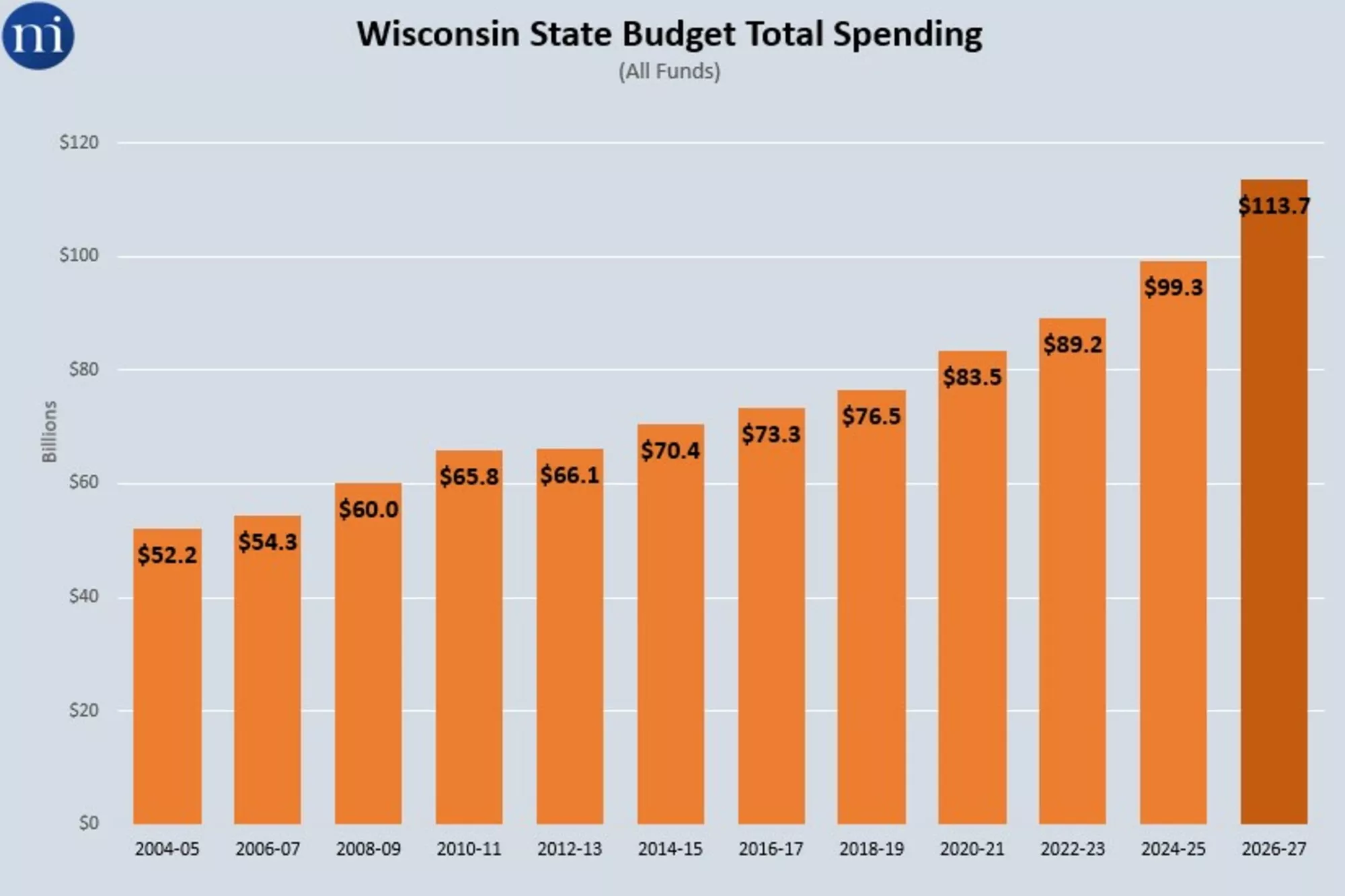
"...it is unlike anything we have ever seen at the MacIver Institute. The combination of a Democrat governor and Republican legislature is expected to yield mixed results, but it doesn’t seem like conservatives got anything to cheer about this time around. The budget contains the largest spending increase this century, creates a long-term structural deficit, and slams Wisconsin residents with billions of dollars of hidden taxes and fees."
The largest budget ever...
The greatest increase in spending in 20 years...
Debt issuance reaching 2009 levels...
Yeah, it needs some work.

#6 The Unintended Consequences of the Affordable Care Act
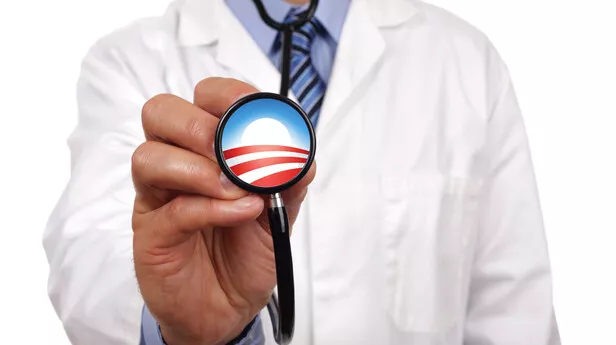
Back in 2010, Congress passed the Affordable Care Act, with promises of making health care more affordable and accessible to every American. However, 15 years later, it is clear that the monumental bill has failed to live up to its own ideals.
In this article, Courtney Graves explains why insurance premiums surged in the years immediately after the ACA’s implementation and how the law helped drive significant consolidation within the health insurance market.
#7 ROFR is Back
In this two-for-one article, Michael Lucas gets into the repeated and serious efforts of the ATC to get a Right of First Refusal law passed––a law which would guarantee them a monopoly on electric transmission projects.
In the second link listed below, Michael delivered testimony to the state legislature explaining everything that's wrong with ATC's claim that a ROFR law would save Wisconsinites money. Not only that, he provides multiple quotes of ATC testifying against ROFR laws in other states when they were trying to compete against other transmission companies.
It doesn't get much richer than that! Despite ROFR being rejected at least three times in this state, ATC continues to make attempts to get the law passed, and MacIver is proud to have played a role in preventing this monopolistic practice.
Read MacIver's testimony delivered to the State Legislature here...

#8 How to Live Like a King on Welfare in Wisconsin
How much could a family of four receive in welfare benefits if their combined income is $64,000? As it turns out, Bill Osmulski has the answer: $72,000!
When child care, housing, food benefits and healthcare are taken into account, a similar family would have to earn more than $118,000 after taxes to purchase the same benefits themselves.
The massive amounts of fat lining the bureaucratic guts of the state go right to the heart of MacIver's "It's Not Working Campaign." When Wisconsinites fail to climb the economic ladder by getting off the government dole, who can blame them for becoming perpetual partisans forever reliant on the state when welfare programs earn them a six-figure income? Does the economy offer that?
The welfare system is in serious need of reform.

#9 Now the Whole Country Knows How Bad the Wisconsin Supreme Court Is
Earlier this year the Wisconsin Supreme Court ruled against a Catholic charity, stating that the organization did not qualify for religious exemption, and must enroll in the state's unemployment benefits program.
In effect, Dan O'Donnell explains, the state Court did not recognize the organization as a religious one, even though its name was Catholic Charities!
Fortunately, this decision was appealed to the United States Supreme Court who reversed SCOWIS's decision in a unanimous 9-0 ruling, saying:
"When the government distinguishes among religions based on theological differences in their provision of services, it imposes a denominational preference that must satisfy the highest level of judicial scrutiny. Because Wisconsin has transgressed that principle without the tailoring necessary to survive such scrutiny, the judgment of the Wisconsin Supreme Court is reversed."
Ouch!

#10 The Housing Crisis Hits Wisconsin
An oldie but a goodie, Michael Lucas's research on the causes of, and solutions to, the Wisconsin housing crisis continues to be highly relevant.
Even though average home prices in the state have doubled since 2019, no statewide reforms have been proposed to address this crisis. Michael argues the solution is simple: stop trying to fix it, get out of the way, and reform the state's zoning laws.
By eliminating or seriously reducing lot regulations to increase density and allow housing in more areas, Wisconsin could double the housing supply while using half as much land. All it takes is a legislature and a willing governor.
For other articles on the impact of zoning and successful reforms in the state, see:
The WI Supreme Court Just Defended Property Rights?
Zoning Reform: Eau Claire Leads the Way
Zoning in Wisconsin: The Death and Life of Great Wisconsin Cities
Be sure to keep an eye out for our housing policy reform to be released next year: "MacIver Solves: The Housing Crisis".


Interested in the content of this Article?
Reach out to the MacIver Institute to aquire more information


