
- Podcasts
 Podcasts
 - Videos
 Videos
 - Policy Issues
 Policy Issues
 - About
 About
About


Cancelled Flock Subscriptions
Flock cameras seem to be almost universally hated today, but the company earned this disdain slowly, then all at once.
For about a year these cameras had pretty much flown under the radar in Wisconsin––that is, until stories like this came to the fore: when a Milwaukee woman was held at gunpoint for a crime she did not commit.
To date, dozens of police officers have been found using Flock cameras to stalk their exes, and one Kenosha sheriff's deputy has been accused of doing the same.
Cases of mistaken identity led to one woman being put in solitary confinement for three days and held in maximum security jail for alleged homicide.
Common to all these incidents are individuals being subjected to the violence of the state without police ever having received a warrant from a judge.
Ronald Reagan said "Trust, but verify." Yet many law enforcement agencies seem to be trusting the data handed to them by Flock without ever bothering to verify its accuracy.
The rampant abuse of this warrantless surveillance system has made Flock's AI-powered ALPRs less akin to a helpful crime solving tool and more reminiscent of China's Skynet. The system is already positioned to monitor places like churches and gun stores, which suggests the system is trying to build personal profiles of individuals to establish social credit scores, engage in targeted marketing, or construct political profiles to track dissidents.
That said, it's no wonder that dozens of sheriffs and police departments are dropping their Flock subscriptions––recognizing not only their unpopularity, but their widespread potential for abuse by law enforcement in other parts of the country, as well as private persons and companies.
As of today, at least 48 governments or law enforcement offices in Wisconsin have cancelled or announced the termination of their Flock Safety contracts, and more are likely to follow suit.
If things keep going this way, it's very likely that the state decides to ban Flock altogether. But importantly, banning Flock, specifically, wouldn't address people's real concerns: that of constantly being under surveillance by a private company who collects data from the privileged position of public property only to sell that data to third parties, and universal surveillance generally. Most people don't want to live in a world where they're constantly being watched, and least of all by the government. Ongoing debates surrounding the legality of ALPR technologies sometimes miss that point.
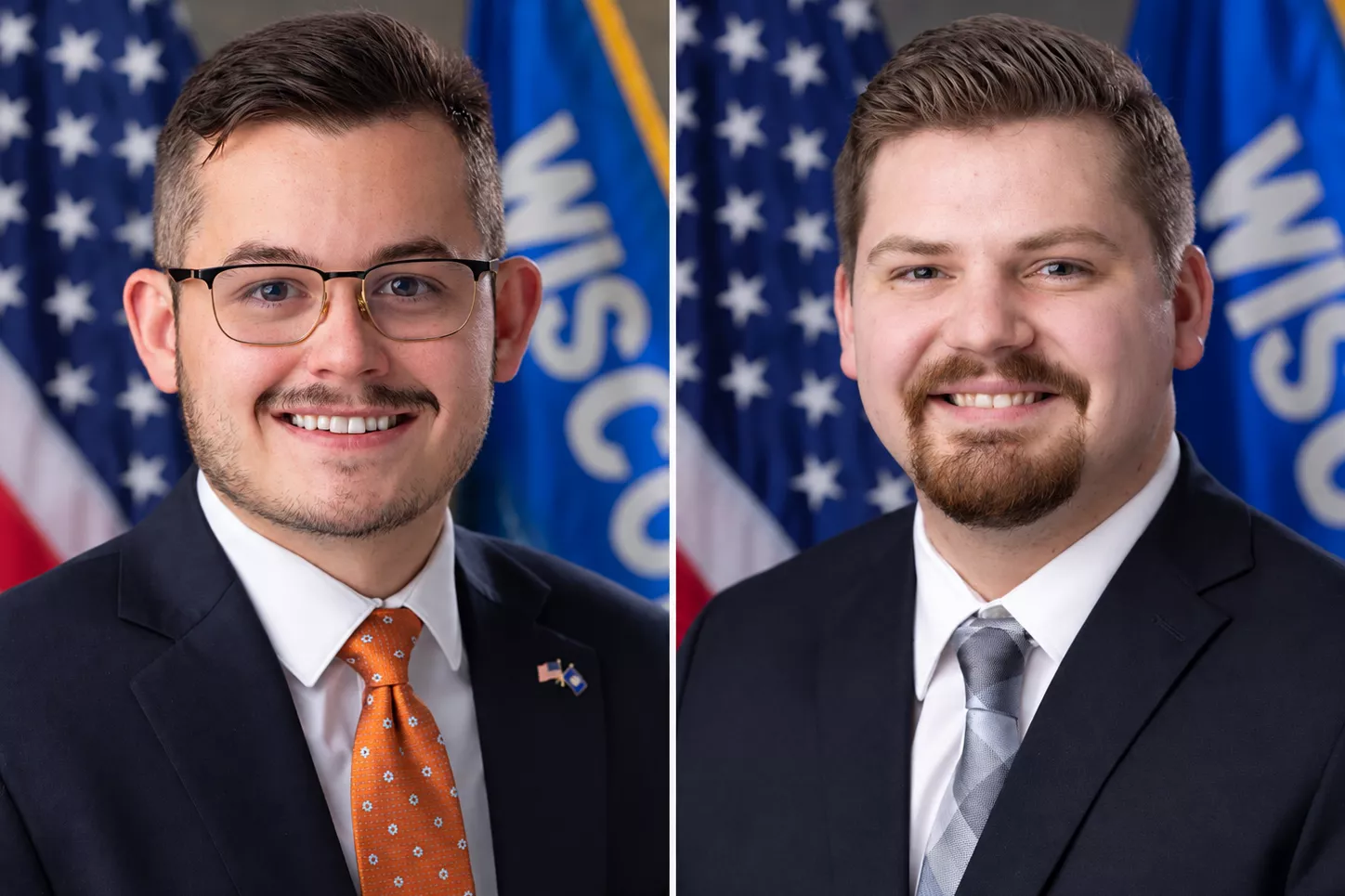
Fortunately, Rep. Nate Gustafson already introduced a bill (AB 883) at the end of the legislative session which would have banned ALPRs, so no great reinvention of the wheel is required. The bill is incredibly straightforward and reasonable in its scope, permitting the use of ALPRs in only three circumstances:
1) for use in a parking enforcement facility;
2) for use in enclosed areas not open to the public and accessible only through certain entry points; and
3) for use at the entrance of weigh station facilities for commercial vehicles
Given that Rep. Callahan has recently called for a hearing on Flock, it seems likely that he and Gustafson will keep this issue alive into next year so that the existence of ALPRs can be brought to a vote.

Interested in the content of this Article?
Reach out to the MacIver Institute to aquire more information


