
- Podcasts
 Podcasts
 - Videos
 Videos
 - Policy Issues
 Policy Issues
 - About
 About
About



Wisconsin: The Originator of Flag Day
This week, as we approach Flag Day on June 14th, we’re reminded of the timeless symbol that unites our nation—especially as Wisconsin and America prepare to mark the 250th anniversary of our independence in 2026.
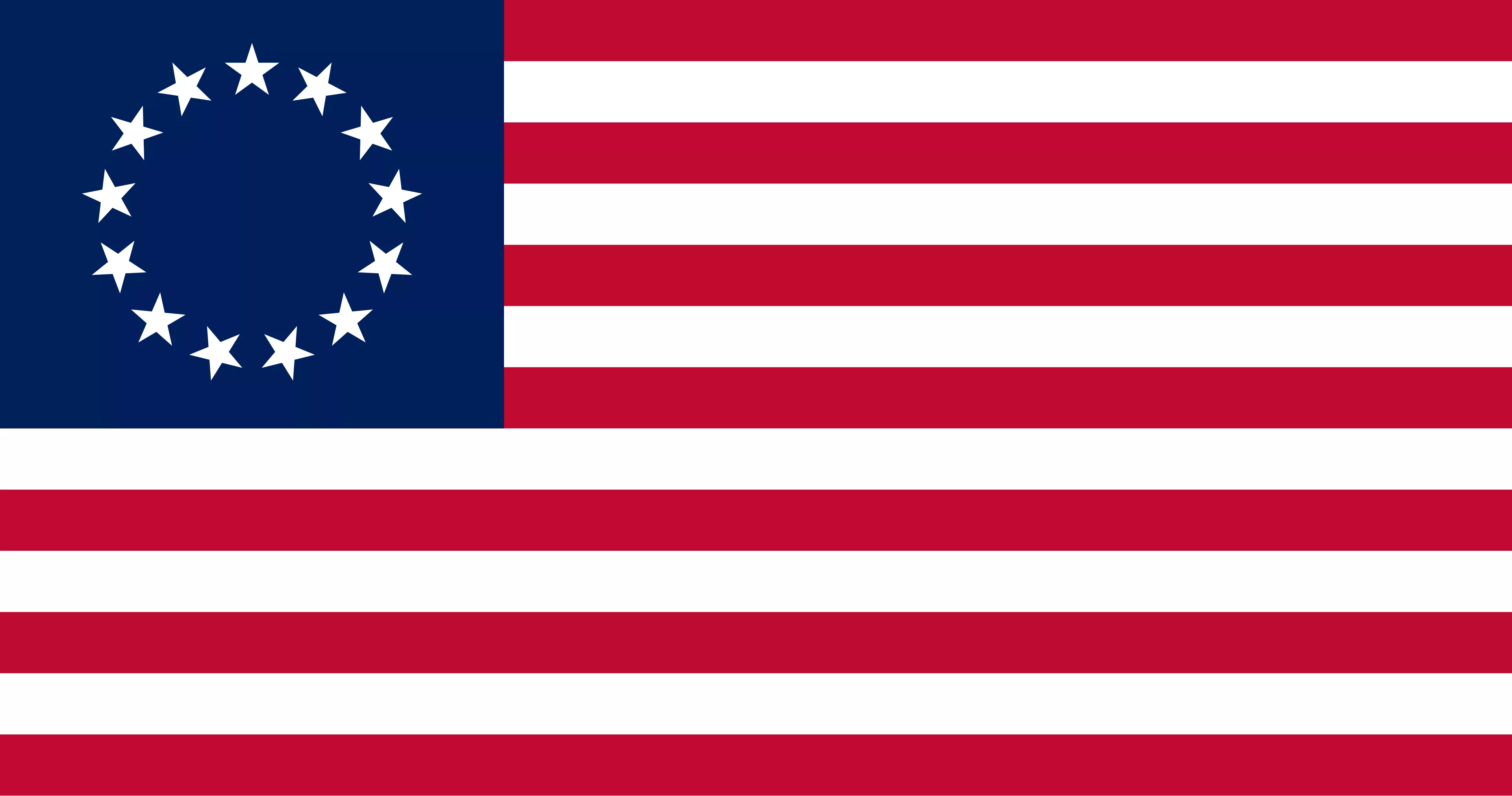
On June 14, 1777, the Continental Congress adopted the Stars and Stripes: thirteen stripes of red and white, with thirteen white stars on a field of blue, representing a new constellation of free and independent states. That flag embodied the bold idea that liberty, self-government, and individual rights could triumph over tyranny.
Here in Wisconsin, Flag Day has deep roots. In 1885, a young teacher named Bernard J. Cigrand in the small community of Waubeka placed a flag in his classroom and led students in honoring it. His efforts helped spark a nationwide tradition. Waubeka is rightly called the Birthplace of Flag Day, and Congress has recognized it as such.
The flag stands for the values that built America: courage, sacrifice, unity under law, and the unyielding belief in freedom. As we head toward America 250, let’s fly it high, teach the next generation its true meaning, and recommit to the principles that keep our republic strong.

Interested in the content of this Article?
Reach out to the MacIver Institute to aquire more information


