
- Podcasts
 Podcasts
 - Videos
 Videos
 - Policy Issues
 Policy Issues
 - About
 About
About


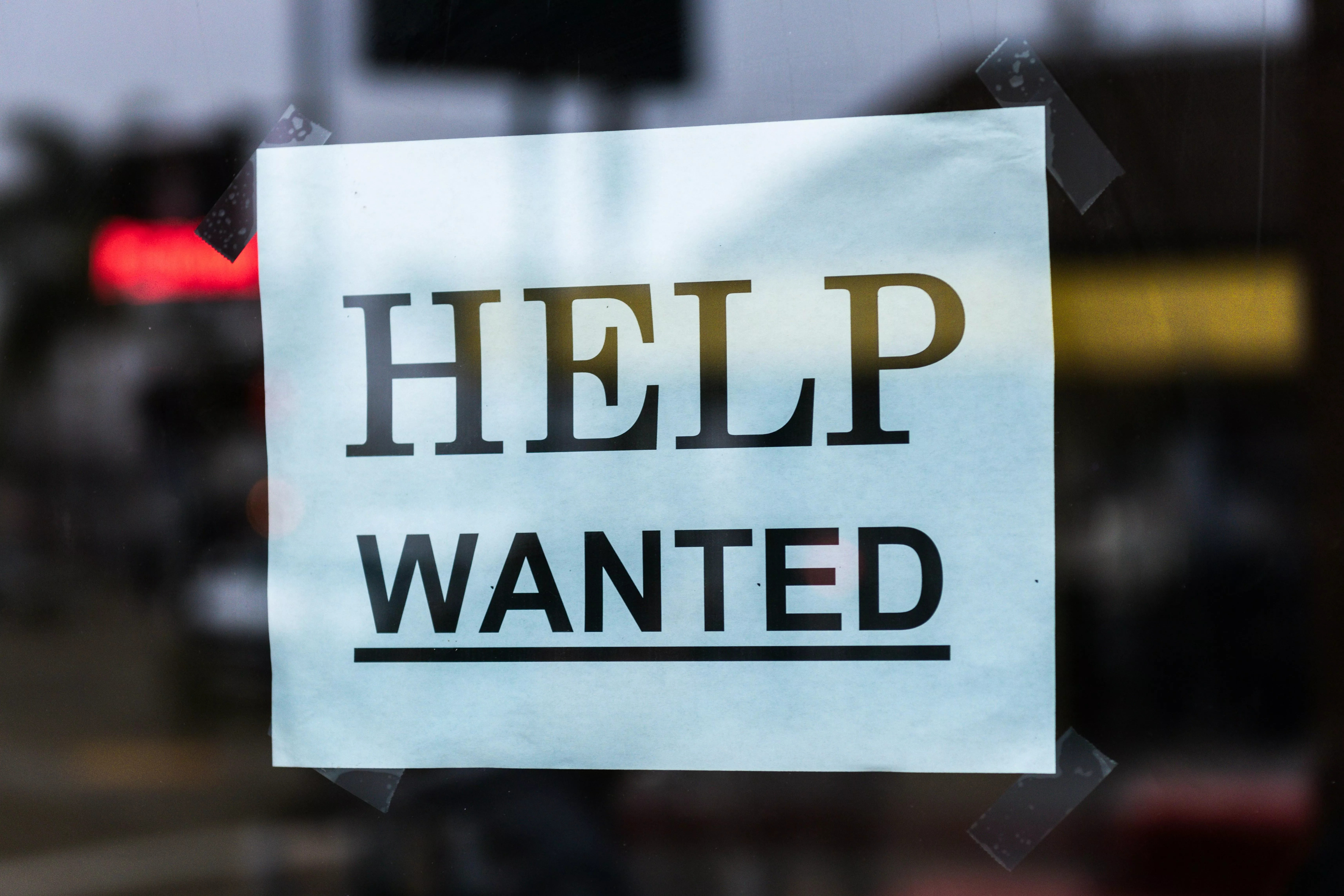
Basic Literacy Lacking in New Labor Pool
Wisconsin’s largest business group is once again saying schools in the state need to change in order to end Wisconsin’s worker shortage.
Wisconsin Manufacturers & Commerce is out with a new video that draws the connection between poor reading, writing, and math scores and the difficulty that companies in Wisconsin have in finding qualified workers.
“If you can’t read, you can’t learn. These numbers are really alarming, and frankly, it’s a scandal. We are not talking about it enough," WMC CEO Kurt Bauer said.
WMC's video explains that nearly two‑thirds of students in Wisconsin are below grade level in math, and seven-in-10 are not reading at grade level.
In addition, Wisconsin has the worst racial learning gap in the entire country. Tests show that 95% of black fourth graders in Milwaukee Public Schools cannot solve a simple word problem. The number is 90% for black fourth graders in Madison.
Bauer has been critical of Wisconsin's poor public schools in the past, and has said that too many kids are not ready to go to work after graduating high school.
"We need people who are educated," Bauer said. "We need a pipeline who can do basic math and can read."
But poor public education is not the only reason why Wisconsin is facing a worker shortage. WMC said Wisconsin continues to struggle with finding young workers to replace the older workers in the state who are retiring or leaving the workforce.
"The median age in Wisconsin is 40.7 — more than a year older than the national average. Residents age 65 and older make up 19.2 percent of the population, compared to 18 percent nationally. Additionally, the state’s labor force rate peaked in 1997 and has declined since," WMC added in a statement.

Interested in the content of this Article?
Reach out to the MacIver Institute to aquire more information


