
- Podcasts
 Podcasts
 - Videos
 Videos
 - Policy Issues
 Policy Issues
 - About
 About
About


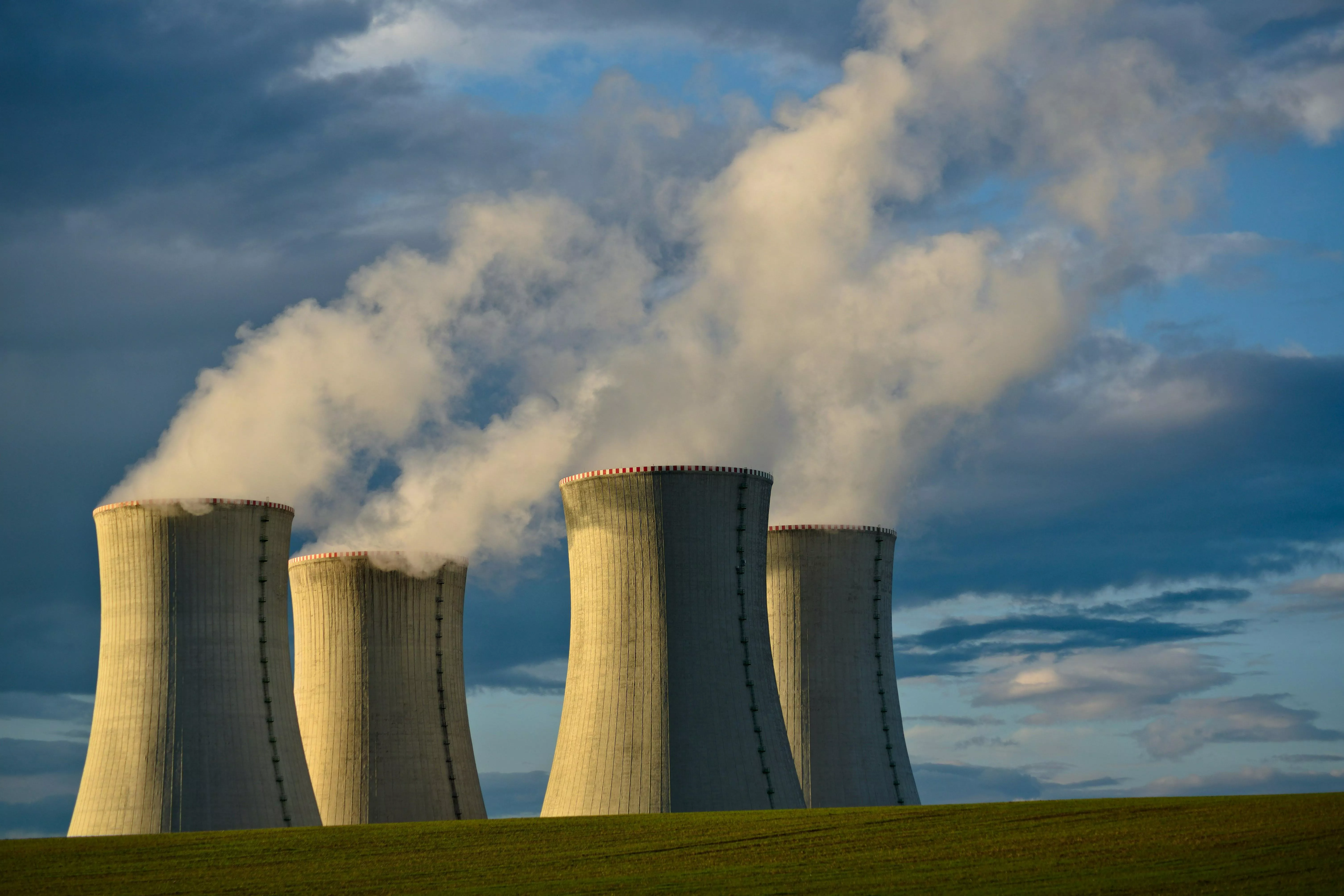
Tennessee Gets First SMR
Yesterday, September 29th, the federal Nuclear Regulatory Commission (NRC) signed-off on a construction permit to develop a 300 megawatt (MW) Small Modular Nuclear Reactor (SMR) in Oak Ridge, Tennessee.
The first of its kind in the U.S., the reactor is being built by the Tennessee Valley Authority (TVA) using the BWRX-300 reactor designed by GE Vernova, and is the second commercial reactor approved by NRC this year. The TVA is a federally-owned utility created in 1933 by the New Deal, operating in several southern states, and one of the largest utilities in the U.S.
The other nuclear plant––a 345 MW reactor in Kemmerer, Wyoming––was approved in March by the Commission. It was the first commercial reactor to receive a construction permit in almost ten years "and the first approval of a commercial non–light water reactor in more than 40 years," according to the American Nuclear Society. It is being developed by TerraPower, a nuclear power design company founded by Bill Gates.
In the aftermath of regulatory reforms like E.O. 14300, the construction permit was approved in only 14 months rather than the Commission's stated goal of 18. However, the total time required to bring commercial reactors online in the U.S. is still on the order of several years, often taking more than a decade to go from application to operational.
The TVA, for example, applied for its early site permit (ESP) all the way back in May, 2016 and wasn't issued until December, 2019. Only with the issuance of yesterday's construction permit can the TVA finally begin construction of its SMR––a task which is likely to take two years even before regulatory reviews of the construction work in progress are taken into account.
NRC has said it is continuing to modernize its regulatory process in accordance with E.O. 14300 and the 2024 ADVANCE Act, but its new rulemaking won't be finalized until November.
The NRC's approval of this technology is a welcome development for those in the AI industry who have great demand for new, reliable power sources.
Estimates of new data center power demand by Goldman Sachs speculate that demand will double from 31 gigawatts (GW) in 2026 to 66 GW in 2027. However, that demand is unlikely to be met given the current regulatory environment and build times, and despite Goldman Sachs' prediction that 40-50% of data centers intended to come online over that period will be delayed.
GE Vernova has also made it clear that data centers are unlikely to have their power demand met, expecting a more than 100 GW backlog by 2030.

Interested in the content of this Article?
Reach out to the MacIver Institute to aquire more information


