
- Podcasts
 Podcasts
 - Videos
 Videos
 - Policy Issues
 Policy Issues
 - About
 About
About


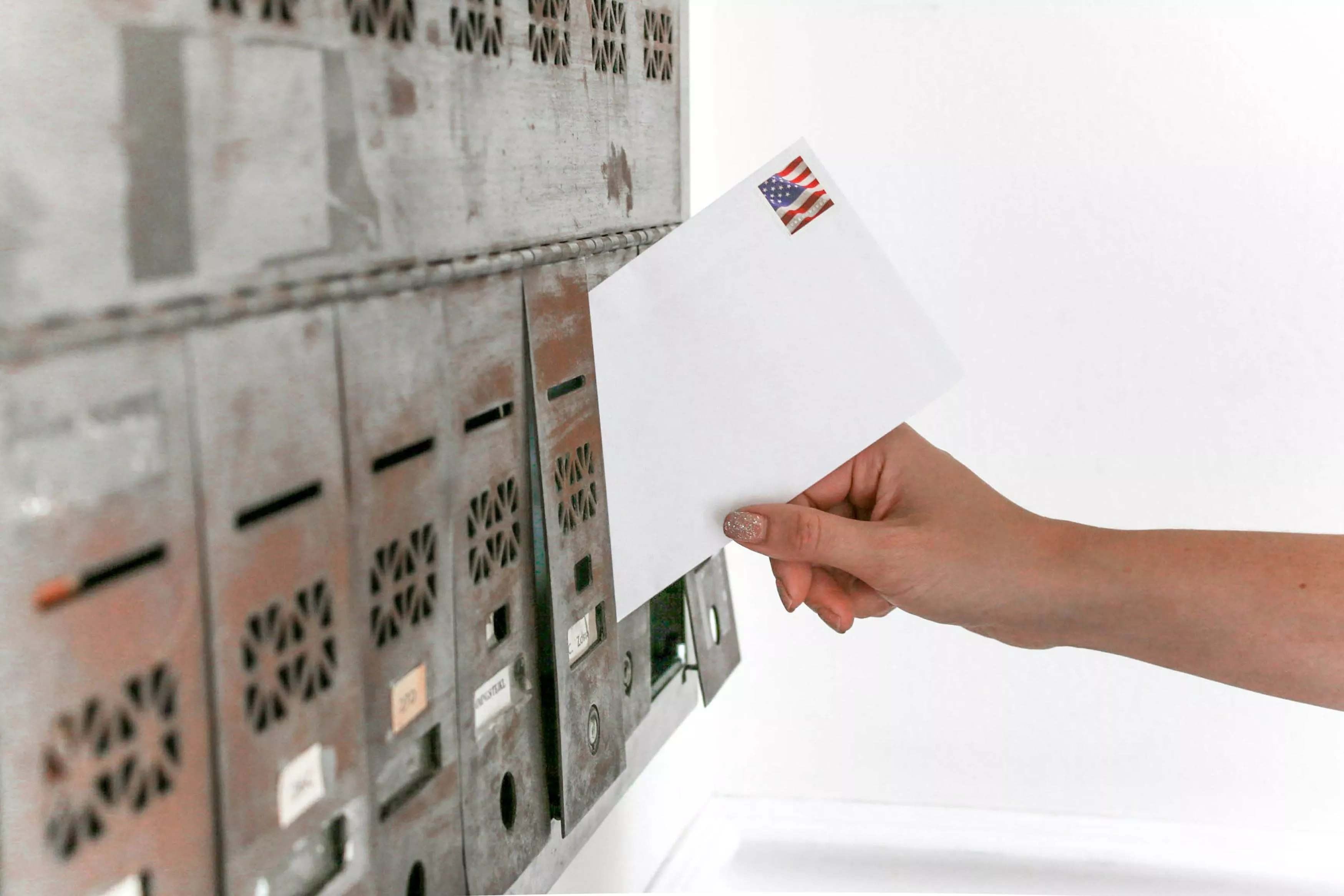
Lawsuit: Uniform Rules for Mail-In Ballots
There is a new lawsuit that is looking to create one set of rules for mail-in ballots across the state of Wisconsin.
The League of Women Voters last week sued the Wisconsin Elections Commission as part of an effort to standardize how local election managers handle mistakes on mail-in votes.
"Rather than requiring all municipal clerks to notify mail-in voters of a technical error on their ballot certificate and provide those voters with an opportunity to cure their ballot prior to rejection, [state law] grants municipal clerks complete and sole discretion to decide whether to mail back to voters an absentee ballot that bears an improperly completed certificate...or otherwise give voters the opportunity to correct the certificate’s defect," the lawsuit states. "Under this discretionary system, offering an opportunity to cure is entirely optional."
The League says the "optional" part of the current rules violates Wisconsin's equal protection clause.
"Some Wisconsin voters are provided timely, adequate notice and the opportunity to correct a defective or missing certificate—so that their vote is counted—while other similarly situated Wisconsin voters are not," the lawsuit continues. "Even municipal clerks who currently provide their mail-in absentee voters with notice and an opportunity to cure could suddenly reverse course during a future election and exercise their discretion under [state law] to deny curing opportunities."
The case will be heard in Dane County, though it’s not clear how quickly the case will go before a judge.
The lawsuit comes after the election clerk in Mequon ordered that 10 mail-in votes not be counted because of problems with the ballots. The Wisconsin Elections Commission later ruled that five of those ballots should be counted.
The League of Women Voters said their intent is not to count some ballots, or not count others. The League says, instead, it wants to “establish and issue uniform, mandatory procedures” for all clerks in the state.

Interested in the content of this Article?
Reach out to the MacIver Institute to aquire more information


